How Tree Location Impacts Removal Difficulty and Cost
Many homeowners assume tree removal is straightforward. A tree is cut down, cleaned up, and hauled away. But in reality, the location of a tree can dramatically affect how difficult the job is and how much time, labor, and equipment are required.
In Minneapolis and the Twin Cities, tree removal often involves tight urban lots, overhead utility lines, nearby structures, and limited access. These factors can turn a seemingly simple removal into a complex project that requires specialized planning and professional equipment.
Understanding how tree location affects removal can help homeowners make better decisions, set realistic expectations, and recognize when professional support is necessary.
Trees Close to Homes and Buildings
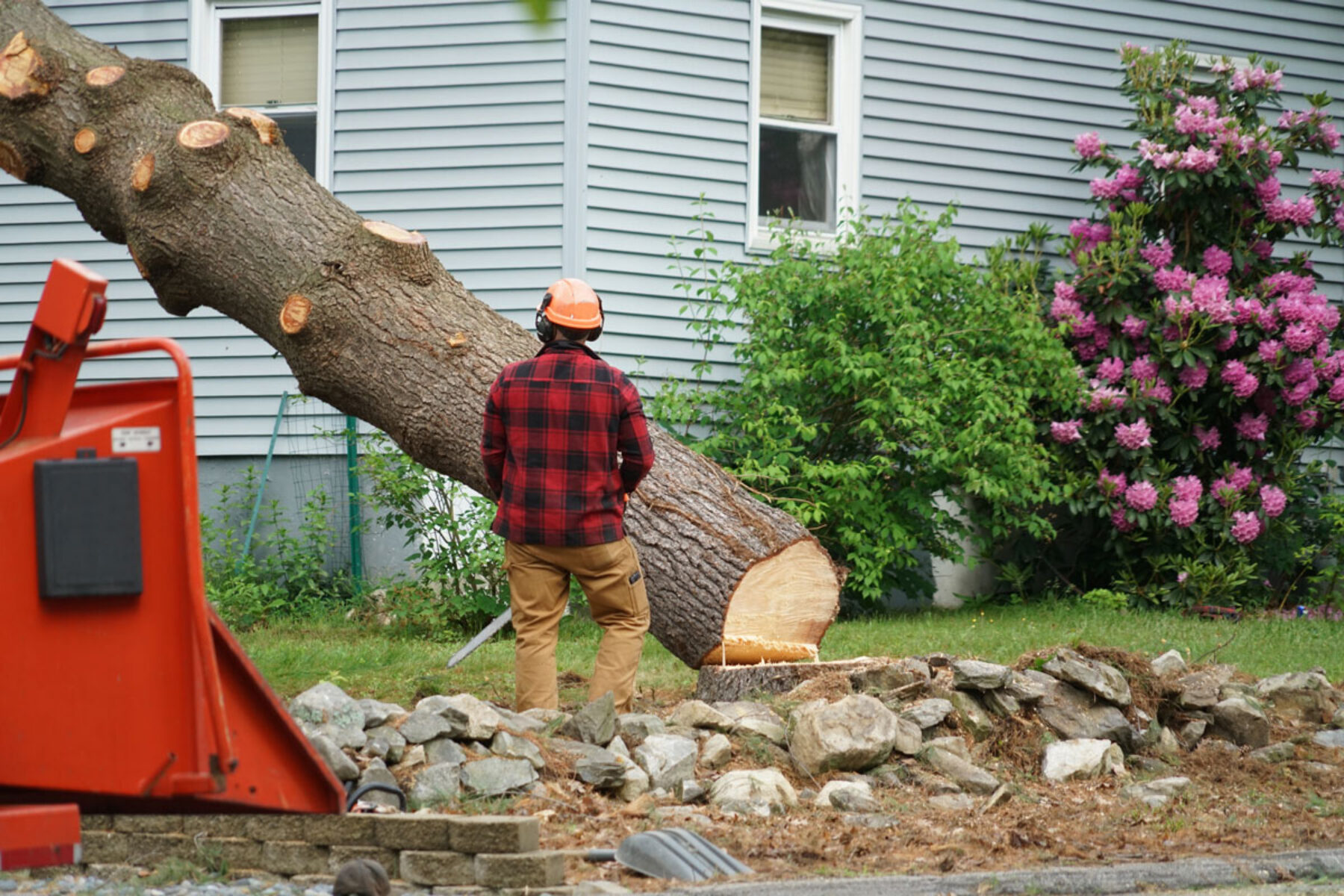
One of the most important factors in tree removal is proximity to structures. A tree growing near a home, garage, or shed cannot simply be dropped in one piece. Instead, it often needs to be removed in sections to prevent damage.
Branches hanging over rooftops and trunks leaning toward structures increase the risk of broken shingles, crushed gutters, or structural damage. These removals require careful cutting techniques and controlled lowering of limbs.
This type of work takes longer and requires more planning than open-yard removals, which is why tree location is one of the biggest cost factors.
Trees Near Power Lines
Trees near power lines are considered high-risk for a reason. Even a small branch can cause serious electrical hazards, outages, or injury if it makes contact with a live line.
Many Minneapolis neighborhoods have mature trees that have grown around overhead utility lines over decades. Removing these trees safely requires advanced rigging techniques and experienced crews who understand how to manage controlled drops and hazardous angles.
Homeowners should never attempt DIY trimming or removal near power lines. These situations should always be handled by professionals.
Trees in Tight Urban Lots
Urban properties in the Twin Cities often have limited space between homes, fences, garages, and neighboring structures. In these cases, there may be no safe direction for a tree to fall.
A tree might also be surrounded by landscaping, patios, sidewalks, or retaining walls that need to be protected. This requires careful staging, controlled cutting, and sometimes specialized equipment to remove the tree piece by piece.
In narrow Minneapolis backyards or alley-access properties, crews may also need to carry equipment longer distances, increasing labor and time.
Trees Over Driveways, Streets, and Sidewalks
Trees located near public areas create additional safety concerns. Branches and debris cannot be allowed to fall into driveways, sidewalks, or roadways.
This can mean extra setup time, additional safety measures, and careful coordination during removal. In some cases, removal may need to be staged to reduce disruption, especially in residential neighborhoods with heavy pedestrian traffic.
If a tree is located near a sidewalk or street, it may also raise liability concerns if limbs fall unexpectedly.
Trees With Leaning Growth or Structural Weakness
A tree’s condition and growth direction can impact how removal is performed. Trees that lean heavily, have cracked trunks, or show signs of internal decay are more unpredictable.
Hollow trunks and damaged root systems can cause trees to shift during cutting. That unpredictability makes removal more dangerous and often requires additional crew support, specialized rigging, and careful sequencing.
These removals are commonly classified as high-risk because the tree may not behave the way a healthy tree would.
Trees With Difficult Ground Conditions
Soil conditions and access around the base of the tree can also affect removal difficulty. Trees growing on slopes, near retaining walls, or in areas with soft ground may limit equipment placement and create stability challenges.
In winter months, frozen ground can help reduce lawn damage, but snow and ice can also add complexity depending on access.
These factors are especially important when removing large trees, where equipment positioning plays a major role in safety and efficiency.
Why Professional Removal Matters in Complex Locations
When a tree is in an open yard with plenty of space, removal may be relatively straightforward. But when a tree is near a house, near power lines, or surrounded by structures, removal becomes a technical job that requires planning and experience.
Tree Top Climbers provides professional tree removal and high-risk tree services throughout Minneapolis, St. Paul, and the Twin Cities metro area. Whether your tree is leaning toward your home, growing near utility lines, or located in a tight backyard, our team has the equipment and experience to remove it safely and efficiently.
If you are unsure how difficult a removal may be, scheduling a professional evaluation is the best way to protect your property and avoid unexpected complications.